
Everyone must know about Garment Factory –
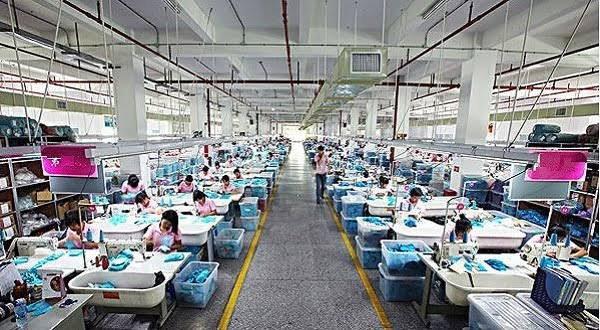
Garment Factory is a place where bulk attire production is meticulously handled through a process of grading, fabric spreading, cutting and sewing.
A garment factory must supply the local fashion products to the global fashion industry and the range starts from small specialized workshops to large scale production plants.
After the 18th century industrial revolution, commercial sewing machine invention was a major break for garment factories. It helped to thrive mass production of readymade garments through synthetic materials which evolved over time. Garment factory production is one of the fastest going sectors.
Turning Point of Garment Factory History:-
Pre industrial era- Bulk apparel production depends on natural fibres like cotton, linen, silk and wool which is handmade and labour uses spinning wheels and looms.
The Industrial Revolution (18th -19th century)- Systematic procedure transformed production from local to massive textile mills.
The Rise of Industrial Revolution in Mid 19th century–
At that time, ready to wear clothing production had discovered a new way to express yourself. The demand was sky high between the denizens of the World.
Modern Time and Sustainability –
After the 20th century, it was introduced as the first fashion span. Fashion is becoming easier to lead high-efficient supply chains about textile waste and dyes.
Key Highlights of pre production processing:-
The ground work plays an important role to ensure the design can be fixed efficiently with accuracy.
Design Layout and Technical Package-
Firstly, designers need a detailed concept of fashion sense, sketch and technical package that includes type of the fabric, stitching instruction, sizing and colour as well.
Pattern Requirements and Digital Grading –
Professional pattern makers are hired to create basic templates for the apparel parts which are graded into several sizes.
Sampling-
Samples can be shown to the designers so that they can create a remarkable garment’s look and feel.
Utilize the Marker-
Designers create the design layout of all pattern pieces with the help of the marker to increase fabric utilization and reduce waste.
Final Procedure of Garment Production:-
Check Fabrics-
Fabrics can be checked through inspection. Basically, inspection includes defects,colour consistency, shrinkage, etc.
Automated Spreading Machine utilization –
Fabrics lie on the large table and for checking, an Automated Spreading Machine is used.
Cutting the Fabric –
With markers, the layered fabrics are cut into various pieces using a laser-guided cutting machine.
Categorizing and Piling-
Intensive laborers categorized the cut pieces on the basis of size, colour and shade and then piled together to be distributed for sewing.
Sewing-
The hub of the factory. Apparel parts are assembled together sequentially, using several specialized sewing machines like over lock, lockstitch etc.
Global Impact:-
The garment factory has a profound impact across the globe. Over 60 million people engaged in this factory, largely women who run this business globally. This garment factory reduces poverty and maximizes industrialization.